Better Sleep, Better Health: Your Complete Guide to Snoring Solutions
Discover what you need to know about snoring and practical ways to improve your sleep. From simple lifestyle adjustments to more comfortable airflow support options like SleepEase CPAP, this guide walks through different approaches to help you enjoy quieter nights and more refreshing rest.

What is snoring and what causes it?
Snoring occurs when air has difficulty moving smoothly through your nose and throat while you sleep. When airflow is restricted, the surrounding tissues can vibrate, creating the familiar snoring sound. Common causes include nasal congestion, swollen nasal passages, a deviated septum, excess weight around the neck, and relaxed throat or tongue muscles at night. In some people, snoring can also be made worse by alcohol, sedatives, or sleeping on the back. Persistent snoring isn’t only disruptive it can sometimes be a sign of obstructive sleep apnea, a serious sleep disorder where breathing repeatedly pauses and restarts during sleep. If you’re searching for natural ways to reduce snoring or the best snoring remedies, these are often the underlying reasons.

How do I know if my snoring is harmless or something more serious?
Not all snoring means sleep apnea, but loud snoring paired with breathing pauses, choking or gasping during the night, morning headaches, dry mouth, or daytime fatigue can be signs of obstructive sleep apnea. When sleep apnea is left untreated, it may raise the risk of high blood pressure, heart disease, stroke, and even type 2 diabetes.
If you or your partner notice heavy snoring, brief stops in breathing, or frequent awakenings, it’s important not to rely only on natural snoring remedies. A professional sleep study or home sleep test can measure your Apnea-Hypopnea Index (AHI) and determine whether sleep apnea is mild, moderate, or severe.

How to stop snoring naturally
Many people explore natural snoring remedies before considering devices or CPAP alternatives. Weight loss is one of the most effective natural approaches because extra tissue around the neck can make the airway more likely to narrow during sleep. Even a small reduction in weight may noticeably reduce snoring intensity. Adjusting your sleep position is another simple strategy sleeping on your side can help prevent the tongue and soft palate from falling back toward the throat and restricting airflow. Some people use positional therapy tools or wedge pillows to help stay off their back.
Nasal care also matters. When nasal passages are blocked, mouth breathing becomes more common and snoring vibrations can increase. Nasal strips, internal nasal dilators, and saline rinses may help keep airflow moving through the nose. Staying well hydrated can also reduce dryness that contributes to louder tissue vibration. Another natural method supported by clinical studies is myofunctional therapy exercises for the tongue, jaw, and throat that strengthen the muscles supporting the airway. Movements like tongue presses against the roof of the mouth, exaggerated vowel sounds, and chewing motions may reduce snoring and mild sleep apnea severity. Many people overlook this option, but consistent practice can be helpful long term.

What is SleepEase CPAP and how does it improve CPAP comfort?
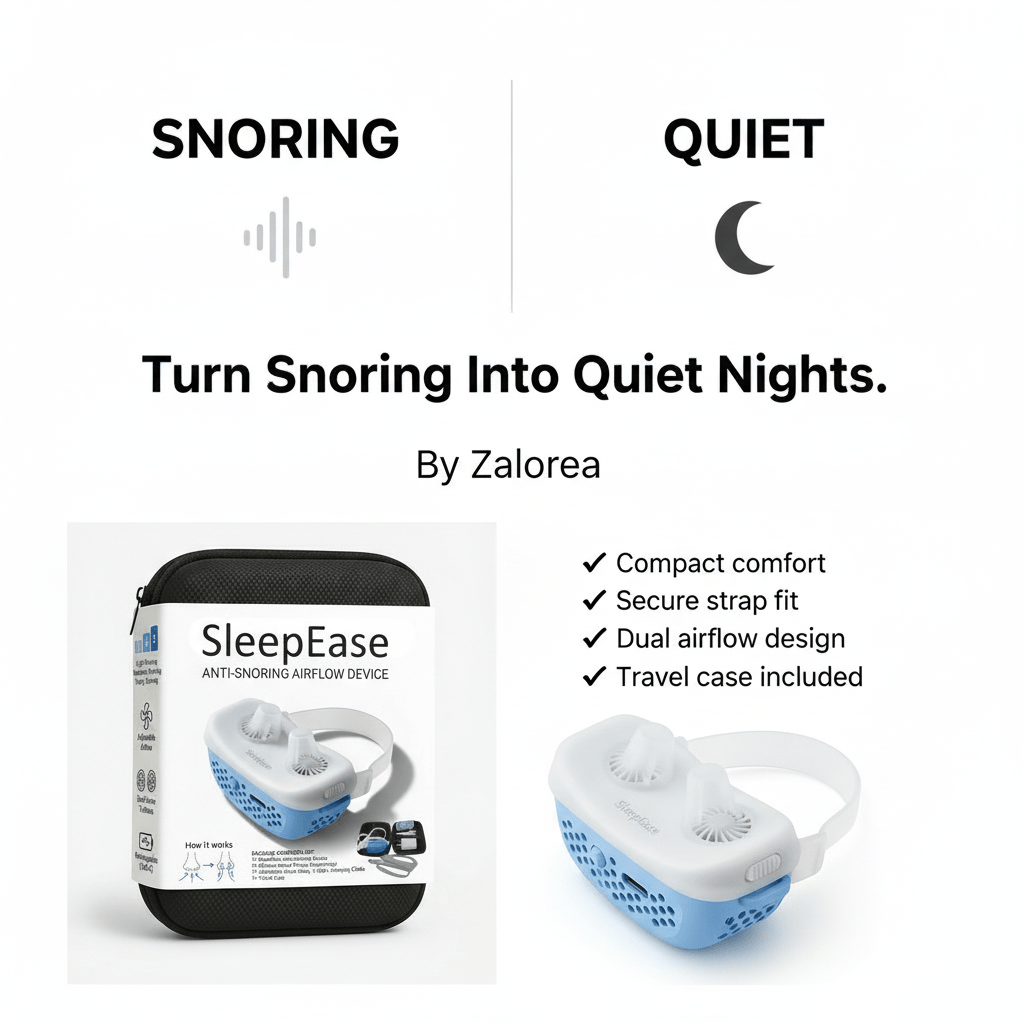
SleepEase CPAP is a next-generation nasal airflow support solution designed for maximum comfort without bulky equipment. It’s lightweight, uses soft materials that rest gently at the nostrils, and supports more natural-feeling breathing during sleep. Compared to traditional masks, SleepEase CPAP is often a better fit for side sleepers and stomach sleepers because it stays stable without pressing heavily against the face. Many users also like that they can wear glasses, read, or watch TV comfortably before bed something that can be harder with larger mask-based options.
By focusing on comfort and ease of use, SleepEase CPAP helps people stay more consistent with nightly support and wake up feeling more rested. Its compact, minimal design makes it a popular choice for anyone looking for a more comfortable, low-profile sleep breathing solution aimed at quieter nights and better sleep quality.

Can natural remedies replace CPAP for sleep apnea?
Natural approaches like healthy weight management, nasal care, and breathing exercises can support better sleep and may help with occasional snoring. However, more persistent or more severe sleep-related breathing issues often require consistent airflow support. If you’re exploring natural ways to reduce snoring, it’s important to remember that lifestyle changes can be supportive but may not be enough on their own in more serious situations. Combining better daily habits with a comfortable airflow support solution like SleepEase CPAP can be a practical long-term approach to improving sleep quality.

When should I get a sleep study or professional evaluation?
If your snoring is loud and frequent especially if you experience breathing pauses, gasping, choking, frequent awakenings, morning headaches, or unexplained fatigue it’s a good idea to consult a sleep specialist. A sleep study or home sleep test can confirm whether you have mild, moderate, or severe obstructive sleep apnea. Early treatment can improve sleep and may also help reduce the risk of high blood pressure, heart disease, and stroke.

Conclusion
Snoring and disrupted breathing during sleep can affect both your rest and overall well-being. Lifestyle changes, positional adjustments, and oral devices may help in milder cases, but consistent airflow support is often recommended when symptoms are more persistent. For those who find traditional masks uncomfortable, SleepEase CPAP offers a balance of comfort and ease of use making it simpler to stick to a nightly routine and enjoy quieter, more restorative sleep.


SleepEase CPAP Anti-Snoring Device
SleepEase CPAP Anti-Snoring Device